Advice for Cleaning Up Your Credit in the New Year
Editor’s Note: This post was originally published in February 2019.
A new year can be a great time to take full stock of your finances. As the new calendar year approaches, it’s a good idea to evaluate your budget, audit your list of bank and credit card accounts, and of course, take a look at your credit reports.
If it’s been a while since you completed any of those tasks, you’re likely to come across a few surprises. Ideally, they’re happy surprises. But if you’ve been ignoring your finances, there might be some problems to address.
Financial surprises can be especially unpleasant if you’ve experienced credit damage, whether due to missed payments, being targeted by credit-card fraud or otherwise.
Happily, credit damage doesn’t hang around forever. Here’s what you can do to clean up any messes on your credit reports, and make sure you go into the new year with your credit in better shape.
Go through each line of your credit reports
The very first step in cleaning up your credit is to go through all three of your credit reports, line by line. You can pull them for free at AnnualCreditReport.com, and pulling them doesn’t hurt your scores.
Why is it important to review each line? Because you can’t fix credit problems until you know exactly what they are. So you’ll want to look for anything that may be dragging down your credit scores and damaging your ability to qualify for new credit.
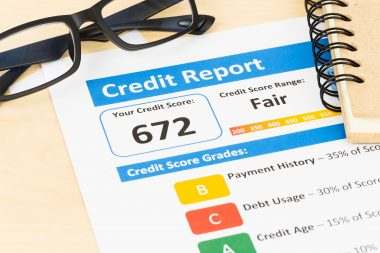
As you look through your reports, keep in mind that your FICO credit scores are calculated according to five main factors:
- Payment History (35%): Your history of paying at least the minimum amount due, by the monthly due date.
- Amounts Owed (30%): What portion of your available credit you’re using.
- Length of Credit History (15%): The length of time you’ve had each account open, and the average age of all of your accounts.
- New Credit (10%): How many credit card and loan applications you’ve made in the past year.
- Credit Mix (10%): Whether you’re using a mix of different types of credit, such as credit cards, mortgages and auto loans.
Anything that negatively impacts one of these factors can damage your credit. However, you’ll experience the most damage from filing bankruptcy, having accounts go to collections, missing payments and having high balances on your credit cards.
Dispute errors or fraudulent accounts
If you find any errors on your credit reports, or information that doesn’t belong to you, address it right away!
You can do this by filing a dispute with each of the credit bureaus that shows an error on their report (Equifax, Experian and/or TransUnion). Filing disputes is free, and it only takes a few minutes to file them online. However, if you have any documents that support your claim, be sure to locate them and upload them along with your disputes.
Pay down your debt
One of the fastest ways to boost your credit scores is to pay down your debts, especially if you have credit card debt. Paying off credit card debt will help you in the “Amounts Owed” category of your credit scores.
For cards with high utilization rates (meaning you’re most of the credit available on the card) reducing your utilization by any amount can help you gain points. But the more of your balance you pay off, the more your scores can grow.
Make all of your payments on time
The single largest factor in determining your credit scores is your payment history; creditors want to see that you pay your debts on time.
There isn’t much you can do about missed payments from the past, other than for them to fall off of your reports. Most negative items will fall off your credit reports after seven years, and these items will also have less of an impact as they get older.
However, you can reduce the impact of negative marks more quickly by adding new, on-time payments to your credit reports. In other words, credit scoring algorithms place more weight on recent payment history than old history.
If you don’t currently have any credit cards or loans open, don’t rush to apply just so you can establish credit and build up your scores. Instead, check to see if a family member with good credit can add you to one or more of their credit cards as an authorized user. If that’s not an option, you might approach your local credit union and ask about getting a secured credit card.
For even more help improving your credit scores, you can also meet with an NFCC-certified credit counselor. These counselors can pull and review your credit reports with you, answer all of your credit questions, and offer personalized advice on how to gain points.