What to Do After a Natural Disaster: A Financial Recovery Checklist
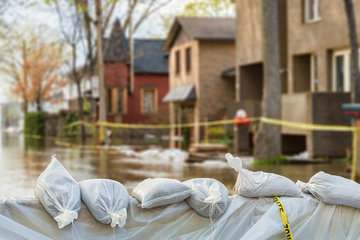
It’s never pleasant to think about this, but a natural disaster can strike at any time. Think about it: in 2025, FEMA declared 115 disasters, including the Los Angeles wildfires and the Texas flash floods.
From hurricanes to earthquakes, we often put off thinking about these events until we’re in imminent danger. But when a natural disaster strikes, it’s too late to do most of the important damage control.
If you’ve been impacted by a natural disaster, that doesn’t mean there’s nothing you can do to limit the damage and recover faster. In fact, we’ve created this post-disaster checklist to help you overcome the damage to your property and your finances. Here’s what you can do in the wake of a terrible event.
1. Contact your insurance providers immediately
After a natural disaster, you’ll likely need to call on your insurance companies for help. As soon as it’s safe to do so, reach out to the relevant companies, which could include your homeowners, renters, flood and car insurance companies.
When you reach out, be sure to confirm the following information:
- What do your policies cover?
- Are you eligible for services like temporary housing or reimbursed living expenses?
- What documentation do you need to collect?
- How long will the claims process take?
- What is your claim number?
2. Document damage and take inventory of property
In the midst of a disaster, it can be easy to lose track of your possessions and overlook specific damage. Do your best to collect proof of what was affected. For example:
- Create a list of lost or damaged items
- Collect footage from your Ring camera or other household cameras
- Document additional damage with photos or videos
- Email copies to yourself and the insurer
3. Pause services you’re not using
If your house is uninhabitable or your car is unusable, you’ll want to save money by suspending or canceling all of the related services you’re unable to use. Depending on the circumstances, this may include:
- Cable
- Wi-Fi
- Water
- Electricity
- Garbage
- Car insurance
4. Contact your creditors early on
After a natural disaster, there’s a chance you’ll have trouble covering loan and credit card payments. Before a payment comes due, reach out to the creditors to inform them of the situation. The sooner you contact them, the better.
Be sure to cover the following details:
- How the event has impacted your ability to make timely payments.
- Whether there are special assistance programs available for people affected by the disaster.
- How you can avoid late fees or have them waived.
If you’re unable to stay in good standing with creditors, consider pulling your free credit reports from AnnualCreditReport.com and adding a 100-word statement to explain how the natural disaster disrupted your finances. While this doesn’t protect your credit scores, it can potentially influence future lending decisions.
5. Carry emergency cash
Depending on the type of disaster, there’s a chance that local vendors will not be able to accept electronic payments. For example, grocery stores and gas stations may only be accepting cash.
On top of that, power outages could prevent local ATMs from working.
So if possible, locate any cash you have stored at home. You’ll also want to retrieve any money you have stored in hiding places to prevent flood, fire, or other damage to the cash.
6. Reach out for disaster assistance
After a natural disaster, there are often local, state or even national agencies poised to help those affected. Here are some resources you may need:
- Federal Emergency Management Agency (FEMA)
- American Red Cross
- Salvation Army
- Volunteers of America
- The Department of Veterans Affairs
You can also contact your state and county emergency preparedness offices to see if further help is available.
7. Watch out for post-disaster scams
Sadly, scammers often pounce in the wake of a disaster. They know that your guard may be down and you’re likely desperate enough for help that you may not notice red flags.
Here are a few key ways to avoid being scammed:
- Be cautious of companies demanding upfront payments for assistance
- Never send payment by wire, cryptocurrency or gift card
- Search online to ensure you’re dealing with a legitimate agency
- If you feel pressured or uncomfortable, just say “no”
How credit counseling can help after a disaster
Recovering from a financial emergency can be completely overwhelming. This is especially true when you’re juggling insurance claims, loss of income, impending bill payments and more.